Your child feels more than they can say. Sometimes their behaviour is the only way they know how to communicate what is happening inside.
The meltdowns that seem bigger than the moment. The silence when you ask what is wrong. The “I don’t know” response that leaves you wondering what your child is feeling.
You may have tried being patient. You may have tried asking the right questions. You may have given them space. But sometimes children need support developing the emotional language to explain what they experience.
They are not necessarily being difficult. They may simply not have the tools yet to communicate what they feel.
How Can I Help My Child Express Their Feelings?
Children can struggle to express emotions because they often experience feelings before they develop the ability to describe them. Therapy can help children recognise emotions, communicate their needs, and develop healthier ways to respond through approaches such as play, creativity, and emotional learning.
When children learn how to understand their emotions, they can begin building stronger connections with themselves and the people around them.
Why Your Child’s Behaviour May Be Communicating Something They Cannot Say
Children experience emotions deeply, but expressing those emotions requires skills that develop over time.
A child may feel anxiety, frustration, sadness, embarrassment, or fear but may not know how to explain those experiences with words.
Instead, emotions may appear through behaviour:
- Frequent meltdowns
- Withdrawal or silence
- Trouble with transitions
- Bedtime struggles
- School-related stress
- Irritability
- Clinginess
- Difficulty explaining what is wrong
These behaviours are not always signs of defiance or poor behaviour.
Sometimes they are signals that a child is experiencing something they do not yet know how to communicate.
The behaviour is not the whole story. It may be the only language they have for a feeling they cannot name yet.
Why Do Children Struggle to Talk About Their Emotions?
Children develop emotional awareness gradually.
A child may know they feel upset but not understand whether they are feeling worried, overwhelmed, disappointed, frustrated, or afraid.
They may also worry about:
- Disappointing their parents
- Being judged
- Not having the right words
- Making adults upset
- Feeling different from others
This is why simply asking:
“Tell me what is wrong”
does not always lead to an answer.
Children often need different ways to explore their emotions before they can explain them.
How Children’s Therapy Can Help Children Express Emotions
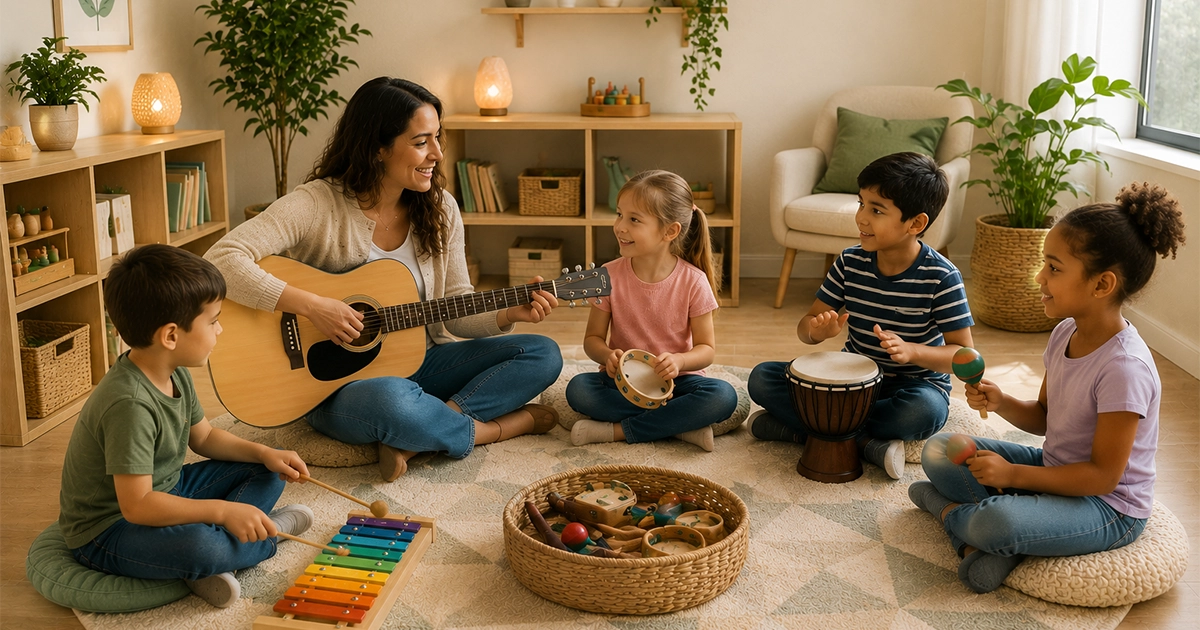
Children’s therapy does not always begin with talking.
Many children communicate more naturally through:
- Play
- Creativity
- Stories
- Activities
- Imagination
- Relationship-building
At Nurturing Wellness, therapy creates a supportive environment where children can explore emotions at their own pace.
The goal is not to force children to talk before they are ready.
The goal is to help them build the confidence and skills needed to understand and communicate their inner experiences.
Learn more about our approach to: Children & Youth Therapy in Mississauga
Ways Therapy Supports Emotional Expression
Play-Based Therapy
Children often process experiences through play.
Through toys, games, and role-play, children can express feelings and experiences that may be difficult to explain directly.
A child may recreate situations through play, explore different emotions through stories, or practise new ways of responding to challenges.
Play provides another pathway for children to communicate.
Creative Expression
Some emotions are easier to show than to explain.
Drawing, painting, writing, and other creative activities can help children explore feelings in a way that feels natural and comfortable.
Creative expression can support children in:
- Identifying emotions
- Exploring experiences
- Building self-awareness
- Communicating thoughts and feelings
Emotional Awareness and Coping Skills
Over time, therapy can help children develop skills such as:
- Recognising emotional triggers
- Naming feelings
- Understanding their reactions
- Communicating needs
- Finding healthier ways to cope
The goal is not to remove emotions.
All emotions are part of being human.
The goal is helping children understand emotions and respond to them in supportive ways.
What Emotional Growth Can Look Like at Home
Parents often notice small changes before larger ones.
Growth may look like:
A child who previously had a meltdown saying:
“I feel upset.”
A teenager who usually withdraws sharing a little more about their day.
A child who struggles with transitions beginning to explain what feels difficult.
These moments may seem small, but they can represent important steps in emotional development.
Over time, children may begin to:
- Communicate their needs more clearly
- Feel more confident expressing themselves
- Understand their emotions better
- Develop stronger relationships
- Feel more comfortable asking for support
Every child develops at their own pace. Some families may notice changes sooner, while others may need more time and support.
When Should Parents Consider Children’s Therapy?
Parents often consider therapy when they notice ongoing emotional or behavioural changes that affect daily life.
This may include:
- Frequent emotional outbursts
- Increased anxiety or worry
- Difficulty managing frustration
- Changes in friendships or school experiences
- Withdrawal from activities
- Challenges adjusting to major life changes
- Difficulty expressing feelings
Seeking support does not mean something is wrong with your child.
It can provide children with additional tools to understand themselves and navigate challenges.
Meet the Therapists Supporting Children and Teens
At Nurturing Wellness, children and teens are supported by therapists who understand child development, emotional growth, and the importance of creating a safe therapeutic relationship.