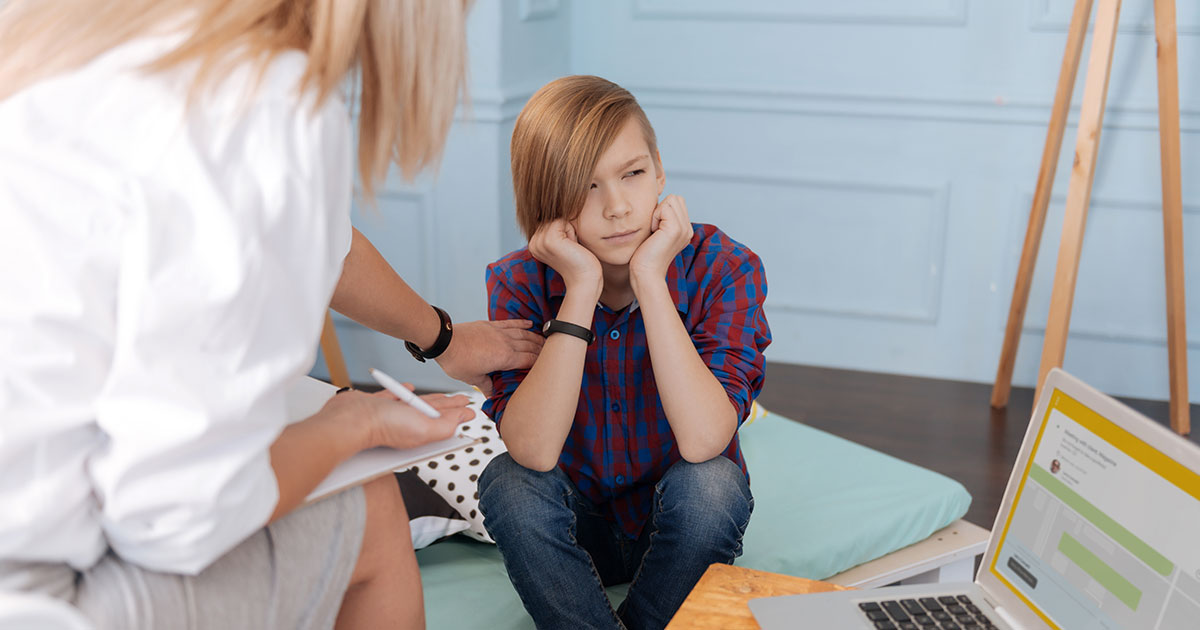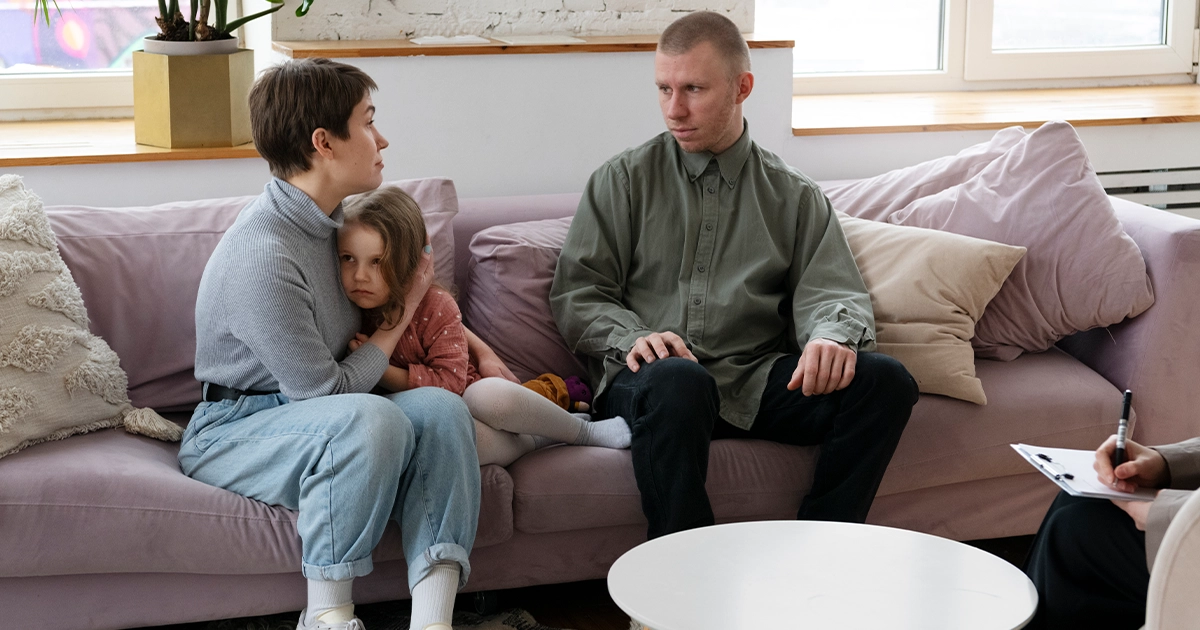
| Divorce can be a difficult transition for children. Child therapy in Mississauga helps them process emotions and adapt to new family dynamics. Discover how child therapy in Mississauga supports resilience during change. |
In this blog, we will look at how separation or divorce can affect children, the signs that a child may need support, how therapy works, and what families can expect from Nurturing Wellness if they are considering therapy for children Mississauga or therapy for teens Mississauga.
What Happens to Children Emotionally After Separation or Divorce?
Separation or divorce is not a medical condition, but it is a major life event that can affect a child’s sense of safety, routine, and emotional stability. Children often depend on predictability to feel secure. When family life changes, they may worry about what will happen next, whether they caused the separation, or whether the people they love will still be there for them in the same way. Healthy Children notes that children can react with shock, sadness, anger, confusion, or even relief, depending on their age, development, and family circumstances.
Not every child who experiences family change will need therapy. Some children adjust with time, support, and consistent parenting. But others show ongoing stress that begins to affect sleep, school, behaviour, or relationships. Justice Canada notes that children’s responses to parental separation can vary widely, and difficulties are more concerning when they persist or interfere with day-to-day functioning.Therapy can help when patterns last more than a few weeks, interfere with daily life, or feel beyond what a parent can manage alone.
Children also do not always describe their distress directly. Instead of saying “I feel anxious” or “I’m grieving,” they may act out, regress, withdraw, or complain of headaches and stomachaches. That is one reason emotional support for children matters so much after separation or divorce. Therapy gives children a developmentally appropriate way to express what they may not yet have words for.
What Are the Signs That a Child May Be Struggling After Separation or Divorce?
Children often show distress in a mix of physical, emotional, and behavioural ways. Parents looking for children therapy near me or therapy for children Mississauga are often noticing one or more of the following patterns.
Physical signs
- Trouble sleeping, bedtime fears, or more night waking
- Headaches, stomachaches, or other stress-related complaints without a clear medical cause
- Changes in appetite or energy
- Clinginess, especially before or after transitions between homes
- Restlessness or difficulty settling after school or family exchanges
Emotional signs
- Sadness, crying spells, or emotional withdrawal
- Anxiety, fear, or constant worry about what will happen next
- Anger, irritability, or sudden frustration
- Guilt, including feeling responsible for the separation
- Trouble naming feelings or expressing them clearly
Behavioral signs
- Acting younger than expected for their age
- Tantrums, defiance, or more conflict at home
- Difficulty concentrating at school
- Pulling away from friends, siblings, or one parent
- Strong distress around schedule changes, handovers, or co-parenting transitions
If your child’s emotions, behavior, or stress responses continue for several weeks or start interfering with daily life, children therapy Mississauga may help. Nurturing Wellness highlights emotional and behavioural changes, academic concerns, trauma and major life changes, and physical symptoms without a clear medical cause as signs that therapy may be beneficial.
Why Can Separation or Divorce Affect a Child So Deeply?
One major reason is change in routine. Children often rely on daily rhythms to feel secure. Separation can change homes, school pickups, bedtime routines, holidays, and time with each parent. Healthy Children recommends keeping routines, rules, and expectations as consistent as possible across homes because predictability helps children feel more settled.
Another factor is fear of loss or instability. Some children worry that if one major family change happened, more losses could follow. Younger children may not fully understand what divorce means, so they may imagine worst-case scenarios. Older children and teens may understand more, but that does not make the emotional impact smaller. Instead, it can lead to resentment, anxiety, or withdrawal. HealthyChildren notes that age and development shape how children respond, which is why support needs to match the child’s stage, not just the event itself.
Self-blame is another common risk factor. Pediatric guidance has long noted that some children, especially school-age children, may believe they caused the separation or think that if they behave perfectly their parents will reunite. That can leave them carrying guilt that does not belong to them. Child Mind and Healthy Children also note that guilt, anxiety, regression, behavior issues, and trouble focusing can all show up during a divorce or separation.
The emotional impact can also be stronger when there is ongoing conflict, inconsistent co-parenting, or a child is exposed to adult stress they do not understand. Justice Canada notes that children’s adjustment is shaped not only by the separation itself, but by the changes and conflict around it. In practical terms, that might look like a child who melts down before custody transitions, a child who seems “fine” at school but falls apart at home, or a teen who insists they are okay while becoming distant and irritable.
How Can Family Changes Affect a Child’s Daily Life?
Family change can affect much more than mood. At home, children may become clingy, more oppositional, more shut down, or more emotionally reactive. Bedtime may become harder. Transitions between homes may turn into daily stress points. Parents may notice that the child is quick to cry, quick to anger, or suddenly much quieter than usual.
At school, the impact may show up as poor concentration, reduced confidence, lower motivation, or more behaviour concerns. Nurturing Wellness specifically notes that when emotional struggles improve, children often show better focus and school performance. Relationships can also suffer. A child may withdraw from siblings or peers, resist one parent, or have more trouble communicating what they need. Over time, that can affect self-esteem and overall emotional development.
Many parents tell themselves that their child is “just adjusting,” and sometimes that is true. But when stress keeps showing up in everyday life, therapy can help the child feel safer, more understood, and more emotionally settled. Research on parental separation has linked adjustment difficulties with emotional, behavioural, social, and school-related problems, which is why early support can matter.
How Can Children’s Therapy Help After Separation or Divorce?
Children’s therapy helps by giving kids a safe place to express feelings, understand what is happening, build coping skills, and adjust to new routines with more stability and support. At Nurturing Wellness, children therapy Mississauga and youth therapy Mississauga are described as age-appropriate, evidence-based, and tailored to the child’s developmental stage, concerns, strengths, and preferences.
Play therapy for younger children
For younger children, play is often the language that makes therapy work. Nurturing Wellness says its play therapy uses toys, art, and games to help children explore feelings, process experiences, and build coping skills. The site specifically notes that play therapy can be effective for anxiety, trauma, behavioural challenges, and life transitions like divorce or loss. This matters because younger children often cannot explain complex feelings directly, but they can show them through play, drawings, stories, and movement.
CBT and age-appropriate talk therapy
For older children and teens, cognitive behavioral therapy can be especially useful. Nurturing Wellness says CBT helps children and teens understand the link between thoughts, feelings, and behaviors, then learn healthier coping strategies. After separation or divorce, CBT-style work can help with self-blame, worry, anger, or negative interpretations like “this is my fault” or “everything is changing and I’m not safe.” For teens, therapy may be more conversational while still including practical tools.
DBT skills and emotional regulation for teens
For teens dealing with intense emotions, distress, or relationship strain, Nurturing Wellness also lists dialectical behaviour therapy skills as part of its approach. The site says DBT helps adolescents build mindfulness, emotion regulation, distress tolerance, and interpersonal effectiveness. In a separation or divorce context, this can help teens manage intense feelings without shutting down, lashing out, or becoming overwhelmed by the changes around them.
Parent involvement and guidance
Children’s therapy is not only about the child. Parent support is a core part of effective care. Nurturing Wellness says therapy often begins with a parent-only consultation, followed by child or youth assessment, then ongoing therapy with regular parent communication and involvement. For younger children, parent participation is often more direct. For teens, the clinic says it balances privacy with keeping parents informed about significant concerns. That model is especially helpful after separation, because parents often need support on how to talk about changes, respond to emotional reactions, and create a more stable environment at home.
Emotional regulation and co-regulation
Coping skills such as mindfulness, breathing, problem-solving, and co-regulation support. The clinic explains that therapy can help children identify, understand, and express emotions with less overwhelm. That matters after divorce because children may not just need to “talk.” They may need help calming their bodies, feeling safe during transitions, and learning what to do when sadness, anger, or anxiety show up.
Support for routines, transitions, and adjustment
One of the most practical benefits of therapy after separation is help with adjustment. A therapist can help children process two-home routines, school changes, new family roles, or worries about where they belong. The work is not about pushing the child to “get over it.” It is about helping them understand the change, feel reassured, and develop ways to cope with the stress around it. That is a major reason families often search for best children therapy session or therapy for teens Mississauga when separation begins affecting everyday life.
Self-help strategies for parents that can support therapy
Parents can also do a lot at home alongside therapy:
- Keep routines as predictable as possible.
- Reassure the child that the separation is not their fault.
- Avoid putting the child in the middle of conflict.
- Give age-appropriate explanations instead of too much adult detail.
- Make room for feelings without forcing the child to talk before they are ready.
It is specifically recommended to maintain routines, consistency in rules, extra reassurance for younger children, and open, calm conversations with teens.
What treatment looks like at Nurturing Wellness
If you are looking for children therapy near me, it helps to know what the process actually looks like. Nurturing Wellness says treatment usually begins with a parent-only consultation, then a child or youth assessment in a warm, welcoming space. Ongoing sessions may include play, art, games, storytelling, conversation, and skill-building depending on age and needs. The clinic lists standard session length as 50 minutes, with 75-minute sessions available if needed, and notes that therapy is often weekly or bi-weekly at the beginning. Some children improve within 8 to 12 sessions, while others benefit from longer support, especially when concerns are more complex. Families can attend in person in Mississauga, and virtual child therapy and parent consultations are also available across Ontario.)
When Should You Reach Out for Professional Support?
It may be time to seek professional support if your child’s distress lasts more than a few weeks, if school or sleep is being affected, if transitions between homes are consistently very hard, or if your child seems stuck in sadness, anxiety, anger, or shutdown. It is also worth reaching out if physical complaints, behaviour changes, or emotional outbursts are becoming a regular part of family life. Nurturing Wellness says therapy can help when patterns persist, interfere with daily functioning, or feel beyond what a parent can manage alone.
Warning signs that the issue may be more than a normal adjustment include strong regression, worsening school problems, ongoing conflict around transitions, physical complaints without a clear medical cause, or statements that suggest guilt, hopelessness, or deep self-blame. Parents do not need to wait for a crisis to ask questions. In many cases, early support helps children adjust more smoothly and helps parents feel less alone in how to respond.
How Does Nurturing Wellness Support Children Through Family Changes?
Nurturing Wellness offers child therapy Mississauga, children therapy Mississauga, and youth therapy Mississauga in a child-centered, trauma-informed setting. The clinic describes its approach as compassionate, evidence-based, and tailored to each child’s age and developmental stage. Parents are part of the process, not left on the sidelines, and therapy is designed to support emotional growth, regulation, confidence, communication, and healthier family relationships.
This can be a strong fit for families navigating separation because the clinic’s service page highlights experience with anxiety, behavioral difficulties, trauma, family transitions, and life changes. The child and youth therapist page also notes CRPO registration, child and adolescent trauma training, ADHD-related training, and 15+ years of experience working with children, adolescents, and families. Nurturing Wellness offers a warm, child-friendly Mississauga clinic with convenient parking, evening and weekend scheduling, and virtual children’s therapy and parent consultations for families across Ontario.
Summing Up
Separation or divorce can be hard on children, even when parents are doing their best. Big feelings, behavior changes, clinginess, shutdown, and stress around routines are all common, but they do not always have to be handled alone. With the right support, children can learn to process what is happening, feel safer in the middle of change, and build coping skills that help both now and later.
If you are looking for child therapy Mississauga, therapy for children Mississauga, or therapy for teens Mississauga, Nurturing Wellness offers in-person support in Mississauga and virtual care across Ontario.