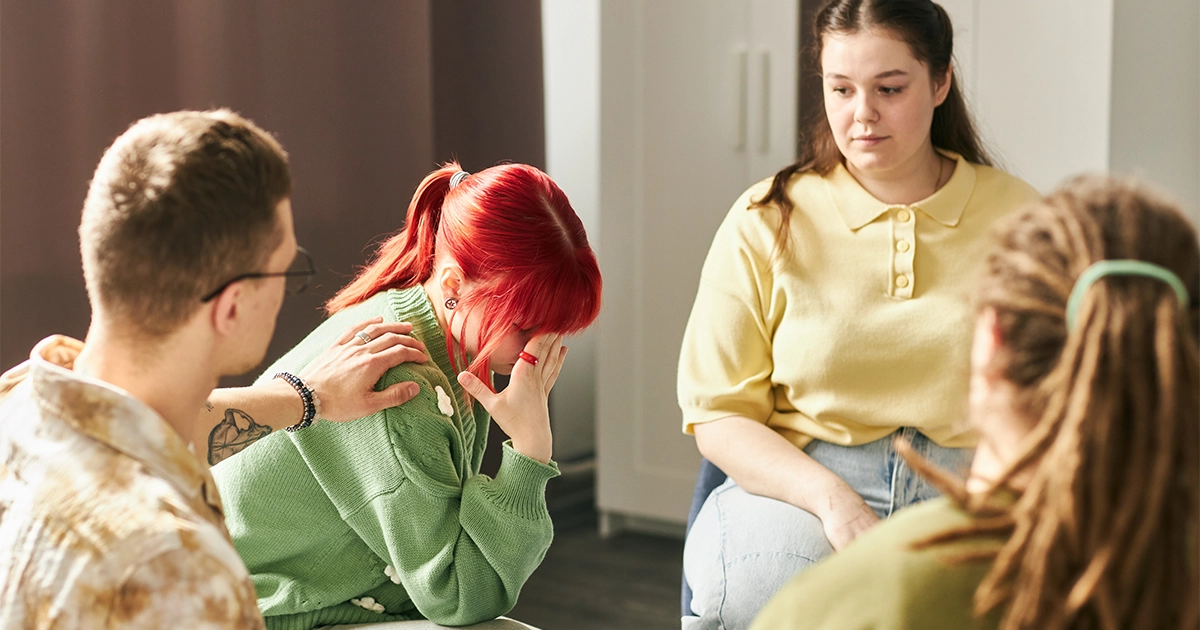
Outside stress can affect a relationship by reducing the time, attention, patience, and emotional capacity partners have available for each other. Work pressure, finances, parenting, caregiving, health concerns, family demands, and major life changes may increase irritability, withdrawal, conflict, or disconnection. Couples therapy can help partners identify how stress is entering the relationship and develop a more workable response together.
Sometimes the relationship is not where the pressure started.
A difficult workload, financial uncertainty, caregiving responsibilities, poor sleep, health concerns, or parenting demands may be consuming most of the available energy.
The relationship then becomes the place where that pressure shows up.
This is sometimes described as stress spillover: experiences in one area of life affecting mood, behaviour, or interactions in another.
That does not mean outside stress automatically causes relationship problems.
It means context matters.
What Counts as Outside Stress?
External stress can include:
- work pressure
- financial strain
- parenting demands
- caregiving
- health concerns
- grief
- relocation
- immigration or settlement stress
- extended-family conflict
- unemployment
- major career changes
- lack of sleep
- housing instability
- demanding schedules
Several stressors can also occur at the same time.
A couple may be managing childcare, aging parents, financial pressure, and demanding jobs simultaneously.
The relationship may then receive whatever energy is left.
How Common Is This Kind of Pressure in Canada?
Canadian data show that many adults are managing substantial pressures outside their relationships.
Statistics Canada reported that 32% of working Canadians aged 15 to 74 said work interfered with home and family life in 2022. Among people aged 35 to 49, the proportion was 40%.
Financial pressure is also significant. Statistics Canada reported in 2026 that 39% of Canadians aged 15 and older said their household found it difficult or very difficult to meet financial needs in spring 2025. Read the report.
Caregiving can add another layer. Statistics Canada data on caregivers found high rates of tiredness, worry, feeling overwhelmed, irritability, and disturbed sleep, particularly among people providing “sandwich care” for both children and adults. View the caregiving data.
These figures do not tell us how any individual couple will respond.
They do show that outside pressure is not unusual.
What Does Stress Spillover Look Like in a Relationship?
Stress may enter a relationship through small changes before either partner recognizes the pattern.
You might notice:
- shorter conversations
- less patience
- increased irritability
- more defensiveness
- difficulty relaxing together
- less affection
- more task-focused communication
- one partner withdrawing
- repeated arguments about small issues
- less interest in sex or intimacy
- difficulty repairing after conflict
- feeling more like co-managers than partners
A stressful period does not automatically mean the relationship is in trouble.
The more useful question is whether the couple can recognize what is happening and adapt together.
What Is the Difference Between Spillover and Crossover?
These terms are related but different.
Spillover describes stress moving from one area of a person’s life into another.
For example:
A difficult workday leaves someone irritable and less patient at home.
Crossover refers to one person’s stress or well-being affecting their partner.
Research suggests that crossover is more complicated than the idea that one partner simply “transfers” stress to the other.
A preregistered meta-analysis of 36 dyadic studies found limited evidence for direct crossover from one partner’s work variables to the other’s family-related well-being. Read the meta-analysis.
That nuance matters.
Stress can shape couple interactions, but we should not assume that one stressed partner automatically causes the other’s distress.
How Can Work Stress Affect Couples?
Work pressure can affect:
- time together
- availability
- household responsibilities
- patience
- sleep
- attention
- how quickly conflict escalates
A study of 308 dual-earner couples found that time pressure at work was linked with work-related support seeking from a spouse and examined both spillover and crossover pathways. Read the study.
For couples, the clinical question is not simply whether someone has a stressful job.
It is whether the couple has a workable way to handle the consequences of that stress.
How Can Financial Stress Enter a Relationship?
Financial pressure can affect couples even when they agree on the numbers.
The stress may show up as:
- worry
- avoidance
- different risk tolerances
- conflict about spending
- shame
- pressure around earning
- disagreement about helping family
- delayed decisions
- reduced sense of security
Couples therapy is not financial planning.
It can help partners discuss how financial stress is affecting trust, communication, decision-making, and shared responsibility.
A financial planner, debt counsellor, accountant, or other professional may also be appropriate depending on the issue.
How Can Parenting and Caregiving Affect the Couple Relationship?
Caregiving often reduces available time and energy.
Partners may be caring for:
- young children
- children with additional needs
- aging parents
- an ill family member
- several generations at once
Stress may increase when responsibility feels uneven or when partners disagree about what support is needed.
It may also become harder to distinguish:
“I am exhausted by everything we are carrying”
from:
“I am unhappy with you.”
Couples therapy can help separate the external demand from the relationship pattern that has developed around it.
Why Do Small Problems Feel Bigger Under Stress?
Stress can affect attention, sleep, concentration, mood, and coping.
The Government of Canada notes that stress can involve irritability, difficulty concentrating or making decisions, changes in sleep, and loss of energy or enjoyment. Read the guidance.
That means a small disagreement may arrive when both partners already have less capacity to respond thoughtfully.
This does not excuse hurtful behaviour.
Stress can explain context without removing accountability.
How Can Couples Therapy Help With Outside Stress?
Therapy should not pretend that it can remove a job deadline, financial problem, caregiving responsibility, or health concern.
It can help the couple change how they respond to those realities.
1. Identify the actual stressors
Couples may need to distinguish what is coming from the relationship and what is coming from outside it.
2. Notice how stress changes interaction
Does one partner become critical?
Does the other withdraw?
Do both become more task-focused and stop checking in emotionally?
3. Clarify support
People want different kinds of support.
One partner may want practical help.
Another may want listening.
Another may need uninterrupted recovery time before they can engage.
4. Revisit workload and responsibility
Stress often exposes unclear or unequal expectations around household work, parenting, caregiving, or planning.
5. Protect recovery and connection
The goal is not a rigid “date night” prescription.
It is to identify realistic moments where the couple can reconnect or coordinate without adding another obligation.
6. Improve repair
Stress makes conflict harder to avoid completely.
Repair becomes especially important.
That can include acknowledging impact, taking responsibility, asking what the partner needs, and returning to unfinished conversations.
What If Outside Stress Is Triggering the Same Arguments?
External pressure can activate an existing relationship cycle.
One partner may pursue because they feel unsupported.
The other may withdraw because they already feel overwhelmed.
The first then feels more alone, and the second feels more pressured.
If this is happening, see our guide to why couples keep repeating the same arguments.
If the pattern specifically involves pursuit and shutdown, read about the pursue-withdraw cycle.
When Individual Support May Also Be Needed
Outside stress can affect more than the relationship.
If one partner is experiencing significant anxiety, depression, burnout, grief, trauma symptoms, sleep problems, or another individual concern, couples therapy may not be the only support needed.
Individual therapy in Mississauga may be appropriate alongside couples work.
The Public Health Agency of Canada also notes that healthy supportive relationships and effective coping are important protective factors for mental health. Read the guidance.
When the Problem Is Not “Stress”
Outside stress should not be used to excuse abuse, coercive control, threats, intimidation, or violence.
If one partner is afraid of the other, standard conjoint couples therapy may not be the safest first intervention.
Safety concerns should be discussed privately with a clinician, and individual or specialized support may be more appropriate.
If you are in immediate danger, call 9-1-1.
Couples Therapy at Nurturing Wellness
Madelin Donovan, Registered Psychotherapist, is Nurturing Wellness’ couples therapy specialist and has completed an Emotionally Focused Therapy (EFT) Externship.
Nurturing Wellness offers couples therapy in Mississauga for partners navigating work pressure, caregiving, parenting stress, financial strain, recurring conflict, emotional distance, and other relationship challenges.
Couples therapy is available in person in Mississauga and online across Ontario.
Learn more about online therapy at Nurturing Wellness or book a free 15-minute consultation.
Frequently Asked Questions
Outside stress can contribute to relationship strain by affecting time, sleep, patience, attention, and coping. It does not automatically cause relationship problems, and couples differ in how they respond.
Stress spillover means pressure from one area of life, such as work or caregiving, affects mood, behaviour, or interactions in another area, such as the couple relationship.
Couples therapy can help with communication, expectations, emotional reactions, and shared decision-making around financial stress. It does not replace professional financial advice.
Therapy can help clarify how work pressure affects availability, responsibilities, communication, and repair, even when the job demands themselves cannot be removed.
Yes. Caregiving can increase fatigue, worry, time pressure, and workload. Couples may benefit from discussing responsibility, support, recovery time, and how caregiving is affecting connection.
Yes. Nurturing Wellness offers online couples therapy across Ontario as well as in-person sessions in Mississauga. Suitability depends on privacy, safety, participation, and clinical assessment.