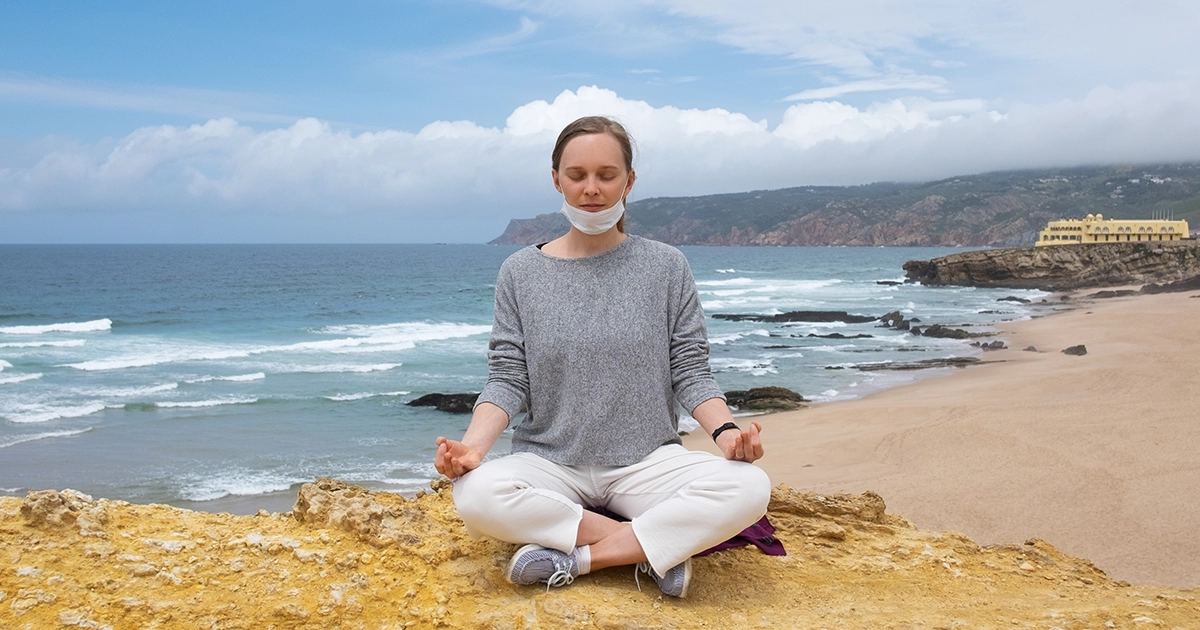
Mindfulness therapy helps people build emotional awareness earlier, so they can respond with clarity instead of reacting first and understanding later. If you snap, shut down, or withdraw before you know what you feel, this is often a nervous system pattern, not a character flaw. And it can change.
According to the American Psychological Association, mindfulness helps people avoid automatic habits and reactive responses. A 2025 clinical review also found that improvements in mindfulness directly link to better emotion regulation and lower symptoms of depression and anxiety.
If you have been searching for mindfulness therapy in Mississauga, this pattern may be exactly what you want help with. Many clients do not struggle with reflection after the fact. They struggle with noticing what is happening early enough to respond differently in the moment.
At Nurturing Wellness, mindfulness therapy in Mississauga is therapist-led care for stress, anxiety, burnout, and emotional overwhelm. This blog explains why delayed emotional awareness happens, how it affects daily life, and how mindfulness therapy can help you catch feelings sooner and respond with more clarity.
What Does It Mean to React Before You Realize What You Feel?
Some people experience emotions in their body or behavior before they can clearly name them. They may tense up, withdraw, overreact, or become irritable before they fully understand whether they feel hurt, anxious, angry, or overwhelmed.
This does not mean they lack depth or maturity. It often means emotional awareness is arriving later than the stress response.
This pattern can happen when stress stays high, when the nervous system is overloaded, or when someone has learned to push emotions aside to stay functional. Over time, feelings may only become noticeable after they have already escalated.
Nurturing Wellness describes mindfulness therapy as a way to help clients stay present, reduce stress and anxiety, and build emotional resilience, a strong fit for people who react first and understand later.
Is this the same as lacking self-awareness?
No. Many people with this pattern are actually very reflective. They can explain their reactions clearly once the moment has passed. The difficulty is not insight in general. The difficulty is catching the feeling early enough to respond instead of react.
Why does the body often notice feelings before the mind does?
The body often picks up activation first. You may notice tightness in your chest, a clenched jaw, shallow breathing, or a restless stomach before you can name the emotion. At Nurturing Wellness, therapist-led mindfulness work includes nervous system education and helps clients understand the connection between body responses and emotions. This is explored further in how mindfulness therapy helps you reconnect with your body and feel safe again.
What Are the Signs That You May Be Missing Feelings Until They Escalate?
This pattern usually shows up in more than one way. It affects the body, emotions, and behavior at the same time.
Physical Signs
- Tight chest, stomach discomfort, or shallow breathing before you know why
- Sudden tension, restlessness, or feeling physically on edge
- Trouble calming down once activated
- Fatigue after emotional situations
- Feeling disconnected from the body until stress becomes intense
Emotional Signs
- Realizing you were hurt, angry, or anxious only after reacting
- Feeling emotionally flooded before you can name the feeling
- Shame or confusion after a reaction
- Feeling emotionally behind your own response
- Struggling to understand what you need in the moment
Behavioral Signs
- Snapping, withdrawing, or shutting down quickly
- Saying you are fine when you are not
- Overreacting and understanding it only later
- Avoiding conversations because emotions feel hard to track
- Needing hours after conflict to understand what you actually felt
If you often react first and understand your feelings later, mindfulness therapy may help you build earlier emotional awareness and steadier responses. In practice, this is one of the most common reasons people seek a mindfulness therapy session rather than relying on self-help alone.
Why Do Some People React Before They Understand What They Feel?
Chronic stress is one major reason. When the nervous system stays overloaded, it prioritizes fast protection over slow reflection. Your system may move into defensiveness, urgency, withdrawal, or irritation before you have a chance to identify what you feel. The National Institute of Mental Health explains that psychotherapies can use mindfulness and relaxation techniques to help people manage distress and build healthier responses.
Emotional suppression is another factor. Some people learned early to ignore feelings so they could stay productive, agreeable, or calm, over-functioning, people-pleasing, or always pushing through. The cost is that emotions are noticed only when they become too loud to ignore. If this resonates, how mindfulness therapy helps you stop people-pleasing goes deeper into that cycle.
Feeling unsafe in the body can also delay awareness. If body sensations were once tied to overwhelm, panic, or shame, a person may disconnect from those sensations until they become strong. Nurturing Wellness addresses this in how mindfulness therapy helps you reconnect with your body and feel safe again.
External focus is another risk factor. Some people are highly tuned to everyone else, noticing mood shifts, needs, and expectations in others before they notice their own inner state. How mindfulness therapy helps you stop overcommitting addresses how this outward focus depletes inner awareness over time.
Limited emotional language can also play a role. If someone did not learn to identify feelings clearly, emotions may show up first as irritation, shutdown, avoidance, or tension instead of clear words like sadness, fear, disappointment, or resentment.
How Can Delayed Emotional Awareness Affect Daily Life?
Delayed emotional awareness can make daily life feel much harder than it looks from the outside.
At work, it can mean reacting to pressure before understanding that you feel overwhelmed or unsafe. You may say yes too quickly, feel resentment later, or realize your limits only after you have already crossed them.
In relationships, the pattern often shows up as conflict, miscommunication, or emotional distance. You may snap before you know you feel hurt. You may shut down before you understand that you feel anxious. You may need hours after a conversation to realize what really happened inside you. That delay can make repair harder.
This pattern also affects rest and self-care. If you are not noticing what you feel in real time, it becomes harder to identify what you need. Many clients describe living in constant reaction mode, functional, but tired. Reflective, but late. Aware, but only after the moment has passed. That lag creates shame, anxiety, and emotional exhaustion over time.
If stress has become the constant background of daily life, how mindfulness therapy helps you manage long-term stress is a useful place to start.
How Can Mindfulness Therapy in Mississauga Help You Notice Feelings Sooner?
Mindfulness therapy helps by training attention toward present-moment thoughts, body sensations, emotions, and impulses. That makes it easier to catch what is happening before it turns into an automatic reaction. This is not just about breathing more slowly. It is about building emotional awareness early enough to respond with choice.
Nurturing Wellness presents its mindfulness work as therapist-led, personalized, and grounded in nervous system awareness.
Therapist-Led Mindfulness Builds Earlier Awareness
A therapist helps you slow down the sequence. Instead of only noticing the reaction, you start noticing what came before it a body cue, a thought, a tension pattern, or a relational trigger. Over time, clients begin recognizing the moment when stress first starts to rise.
This is one reason a therapist-led approach can feel different from trying meditation on your own. The process is guided. The observations are named. The patterns are tracked. The goal is not perfect calm. The goal is better awareness at the point where choice becomes possible. For a direct comparison, mindfulness therapy vs meditation, which is better breaks down the key differences in plain terms.
Body Awareness Matters Because Emotions Often Arrive Physically First
Many people who benefit from mindfulness therapy are not disconnected from emotions because they do not care. They are disconnected because the body signal comes first and goes unnoticed. When you learn to notice shoulder tension, shallow breathing, heat, heaviness, numbness, or stomach tightening, you often start recognizing emotions earlier too.
Nurturing Wellness emphasizes this body-based aspect in its emotional regulation content. Sessions help clients understand body signals so they can act rather than react, a meaningful shift for anyone who wants therapy that feels practical. How mindfulness therapy helps you stay regulated explains how that body-first awareness becomes a reliable daily skill.
Mindfulness Creates a Pause Before Reaction
Mindfulness does not remove emotions. It creates enough space to notice them. That pause matters. Without it, the reaction often runs the moment. With it, a person can notice what is happening, name it more accurately, and choose a different response.
For example, someone may begin by noticing that irritation is actually fear. Or that shutdown is happening because they feel cornered. Or that resentment is building because they ignored their own limits earlier in the day. These are small shifts, but they change how the next moment unfolds. How mindfulness therapy can help you break stress cycles shows how those small pauses accumulate into lasting pattern change.
Mindfulness Therapy Supports Emotional Regulation
Earlier awareness usually leads to steadier regulation. When you can notice what is happening sooner, you are less likely to escalate, lash out, withdraw suddenly, or stay stuck in confusion afterward.
A 2025 clinical review found that emotion regulation was a key mechanism linking mindfulness improvements with reduced anxiety and depression symptoms. That matters because it suggests mindfulness is not only about awareness, it also changes how people handle emotion once they notice it.
If anxiety is a significant part of what you are managing, how mindfulness therapy can help your stubborn anxiety addresses that connection specifically.
Mindfulness Therapy Is Different From Meditation Alone
Meditation can be helpful. Still, therapist-led mindfulness therapy is more structured and personalized. Nurturing Wellness explains that therapy starts with understanding how stress shows up for you, thought patterns, body cues, triggers, and nervous system responses, making it more adaptable than generic mindfulness exercises.
This difference matters for people asking whether mindfulness therapy beats apps and self-guided programs. Often, people do not need more content. They need a guided process that matches their actual patterns and emotional pace.
Self-Help Strategies Can Support Therapy
Self-help is not the full answer, but it can support therapy well. Helpful practices include:
- Pausing when body tension rises
- Naming the feeling before acting on it
- Checking physical cues such as breath, shoulders, jaw, and stomach
- Noticing patterns after repeated reactions
- Building short daily awareness check-ins
The Centre for Addiction and Mental Health recommends mindfulness and relaxation strategies as part of coping with stress and anxiety. These strategies work best when repeated gently and linked to real situations, not only used after overwhelm has taken over.
For times when self-guided mindfulness stops working, what is missing in your therapy approach when mindfulness is not working can help identify the gap.
What Does Treatment Look Like at Nurturing Wellness?
At Nurturing Wellness, mindfulness therapy in Mississauga starts with assessment and pattern recognition. Therapists look at emotional triggers, thought patterns, body cues, stress load, and how reactivity is showing up in daily life. From there, sessions are tailored.
Some clients need more grounding. Some need more emotional language. Some need more body awareness. Some need all three.
The clinic also offers online therapy across Ontario, which can be helpful for people looking for flexible scheduling or mindfulness therapy online. Virtual care uses the same personalized approach as in-person sessions.
If you are exploring how individual therapy in Mississauga fits alongside mindfulness work, many clients find that combining both approaches deepens their progress.
Note: If you are also dealing with relationship stress on top of emotional reactivity, how couples therapy can help when outside stress takes over explores how that dynamic plays out in relationships.
When Should You Reach Out for Professional Support?
It may be time to seek professional help if you often react before understanding what you feel, especially when the pattern is affecting relationships, work, or daily functioning.
Signs it may be more than ordinary stress:
- You keep repeating the same reaction
- Your body goes into stress quickly
- You struggle to identify needs in the moment
- Your relationships are affected by delayed emotional awareness
- You understand yourself later, but not soon enough to respond differently
For many people, the issue is not lack of effort. It is that self-awareness is arriving too late. How to regain control with mindfulness therapy in Mississauga outlines what that shift looks like in practice.
Final Thoughts
Nurturing Wellness offers mindfulness therapy in Mississauga for clients dealing with stress, anxiety, burnout, emotional overwhelm, and delayed emotional awareness. The approach is therapist-led, trauma-informed, and personalized, shaped around each client’s patterns, body cues, and goals.
This can be a strong fit if emotional awareness feels delayed. The work is paced and practical. Clients are supported in learning what their body is signaling, what their emotional sequence looks like, and how to slow reactions down without self-judgment.
Ready to stop reacting and start responding? Reach out to Nurturing Wellness to explore whether mindfulness therapy is the right next step for you.
Frequently Asked Questions
This usually happens when your body and nervous system respond faster than your conscious emotional awareness. You may notice tension, urgency, irritability, or shutdown before you can name the feeling clearly.
This is common when stress is high, emotions are often suppressed, or body cues have become easy to ignore. Mindfulness therapy helps by slowing the sequence down so you can notice what is happening earlier and respond with more clarity instead of only making sense of it afterward.
Yes. Mindfulness therapy can help reduce emotional reactivity by improving awareness, body tracking, and response flexibility. Instead of trying to suppress emotions, the work helps you notice them sooner and respond with more choice.
Nurturing Wellness positions mindfulness therapy as helpful for stress, anxiety, burnout, and emotional overwhelm, especially useful for people whose reactions feel automatic or hard to understand in the moment.
A mindfulness therapy session usually starts with understanding what is happening in your real life, stress patterns, relationship triggers, body sensations, or repeated reactions.
The therapist then helps you build present-moment awareness through guided reflection, body-based attention, emotional naming, grounding practices, and practical tools you can use outside the session. At Nurturing Wellness, this work is personalized rather than generic.
Yes. Meditation is one practice. Mindfulness therapy is a therapist-guided treatment approach that is more structured and tailored. It starts with understanding how stress, thoughts, body cues, and emotional patterns show up for you.
That makes it more supportive for people who struggle with emotional overwhelm, delayed awareness, or nervous system activation.
Mindfulness therapy may be worth exploring if you often react before understanding what you feel, if stress and anxiety keep taking over your day, or if your body seems to know you are overwhelmed before your mind does.
Nurturing Wellness offers both in-person therapy in Mississauga and virtual options across Ontario, making it easy to choose a format that fits your life.