Sibling relationships can be some of the most meaningful relationships children develop. Through siblings, children learn how to share, communicate, cooperate, manage disagreements, and understand different perspectives.
At the same time, sibling conflict is a normal part of childhood. Arguments about toys, attention, fairness, personal space, or different personalities happen in many families.
However, when sibling conflict becomes frequent, emotionally intense, or starts affecting your child’s confidence and family relationships, it may be a sign that additional support could help.
At Nurturing Wellness, we understand that sibling conflict is often about more than the disagreement itself. Children may be communicating feelings such as frustration, jealousy, disappointment, feeling unheard, or difficulty expressing emotions.
Child therapy can help children understand their emotions, develop communication skills, and build healthier ways to respond to relationship challenges.
Learn more about our approach to Children & Youth Therapy in Mississauga.
Is Sibling Conflict Normal?
Yes, sibling conflict is a normal part of childhood.
Children are still developing important emotional and social skills. Learning how to share attention, handle disappointment, express needs, and resolve disagreements takes time.
Some common sibling disagreements include:
- Arguments over toys or belongings
- Feeling that something is unfair
- Difficulty sharing space
- Competition for attention
- Differences in personality
- Frustration during daily routines
These experiences can help children learn valuable relationship skills when they are supported appropriately.
The concern is not that siblings disagree.
The concern is when conflict becomes ongoing, overwhelming, or begins affecting a child’s emotional wellbeing.
Why Do Siblings Fight?
Every family has unique dynamics, and every child responds differently to relationships.
Sibling conflict may happen for several reasons.
Competition for Attention
Children may sometimes feel that they are competing for their parents’ attention, time, or approval.
A child may think:
- “My sibling gets more attention than me.”
- “Nobody understands my side.”
- “Things are not fair.”
Even when parents are making equal efforts, children may experience situations differently based on their age, personality, and emotional needs.
Differences in Personality
Siblings often have different temperaments.
One child may be more sensitive and need time to process emotions. Another may be more expressive and react quickly.
These differences can sometimes create misunderstandings.
Learning that people experience situations differently is an important part of developing empathy and healthy relationships.
Difficulty Expressing Emotions
Children often experience emotions before they develop the ability to explain them.
A child may feel:
- Hurt
- Jealous
- Frustrated
- Left out
- Angry
- Worried
but may not have the words to communicate those feelings.
Instead, emotions may appear through:
- Arguments
- Crying
- Shouting
- Avoiding a sibling
- Refusing to cooperate
Sometimes sibling conflict is not only about behaviour. It may be a sign that a child needs support understanding and expressing emotions.
Our article on helping children express emotions explores how children can develop stronger emotional communication skills.
When Does Sibling Conflict Become a Concern?
Not every sibling disagreement requires therapy.
Conflict is part of learning relationships.
However, parents may want to explore additional support when sibling conflict:
- Happens very frequently
- Creates ongoing tension at home
- Causes intense emotional reactions
- Affects a child’s confidence
- Leads one child to withdraw
- Becomes difficult for parents to manage
- Impacts family routines
The goal of support is not to eliminate every disagreement.
Children need opportunities to practise communication and problem-solving.
The goal is helping children develop skills to understand emotions, repair relationships, and respond to challenges in healthier ways.
How Child Therapy Can Support Children Experiencing Sibling Conflict
Child therapy does not focus only on stopping arguments.
Instead, it helps children understand what may be happening beneath the conflict and develop skills that support healthier relationships.
At Nurturing Wellness, therapy is adapted to each child’s age, developmental stage, personality, and individual needs.
Through therapy, children can explore:
Emotional Awareness
Children can learn how to identify and understand emotions before those feelings become overwhelming.
For example, instead of reacting through anger, a child may learn to recognise:
“I feel hurt because I wanted to be included.”
“I feel frustrated because I do not feel understood.”
Understanding emotions can create opportunities for better communication.
Communication Skills
Children can practise expressing:
- Feelings
- Needs
- Boundaries
- Concerns
They can also learn how to listen, understand another person’s perspective, and communicate during difficult moments.
These skills can support relationships with siblings, friends, classmates, and family members.
Conflict Resolution Skills
Children are not born knowing how to resolve disagreements.
Therapy can help children explore:
- What happened?
- How did I feel?
- How might the other person feel?
- What could I try differently next time?
- How can I repair the relationship?
These skills can help children approach conflicts with more understanding.
Emotional Regulation
Strong emotions can make it difficult for children to think clearly or communicate effectively.
Therapy can support children in developing strategies to manage:
- Anger
- Frustration
- Disappointment
- Stress
The goal is not to remove difficult emotions.
The goal is helping children understand emotions and respond to them in supportive ways.
How Parents Can Support Healthier Sibling Relationships
Parents play an important role in helping children build relationship skills.
Validate Feelings Before Solving the Problem
Children often need to feel understood before they are ready to problem-solve.
You might say:
“I can see that this felt frustrating.”
“I understand why you were upset.”
Validation does not mean agreeing with every action. It means recognising the emotion behind the behaviour.
Help Children Understand Each Other’s Perspectives
Encourage children to explain their experiences.
Questions such as:
- “What happened from your point of view?”
- “How did that make you feel?”
- “What do you think your sibling was feeling?”
can help children develop empathy.
Avoid Comparing Siblings
Comparisons can unintentionally increase competition.
Instead of focusing on who is easier, better, or more responsible, focus on each child’s individual strengths and needs.
Every child develops differently.
Create Opportunities for Positive Connection
Sibling relationships are built through positive experiences as well as conflict.
Shared activities, teamwork, and moments of connection can help children develop stronger bonds over time.
What Happens During Children’s Therapy Sessions?
Many parents wonder what therapy will look like for their child.
The answer depends on the child’s age, personality, and needs.
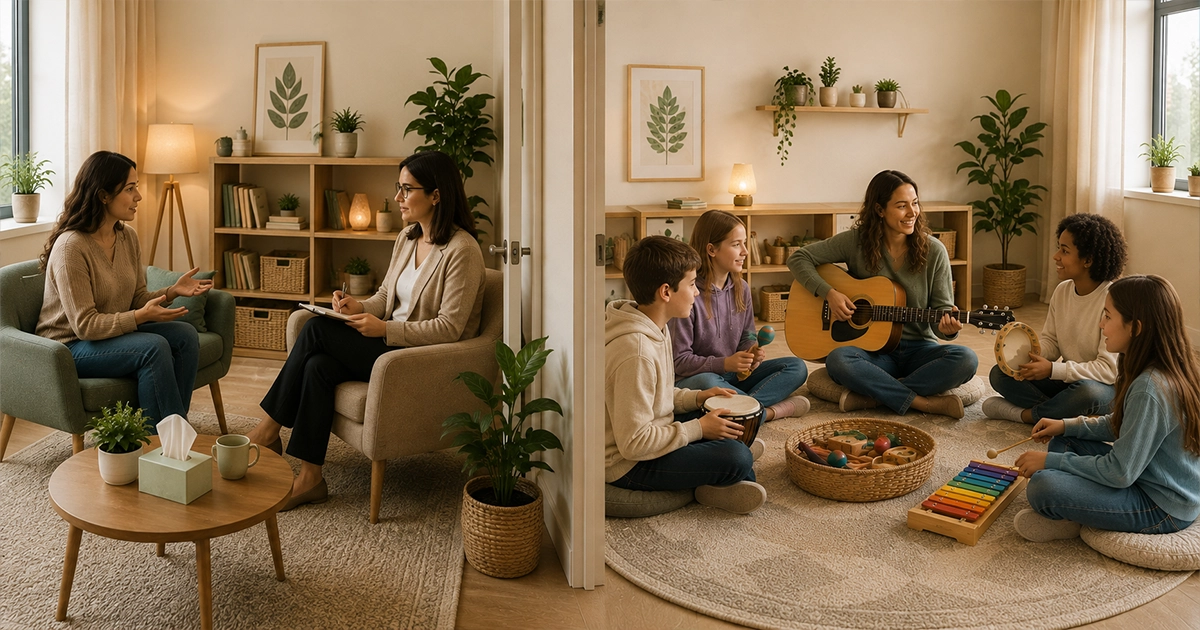
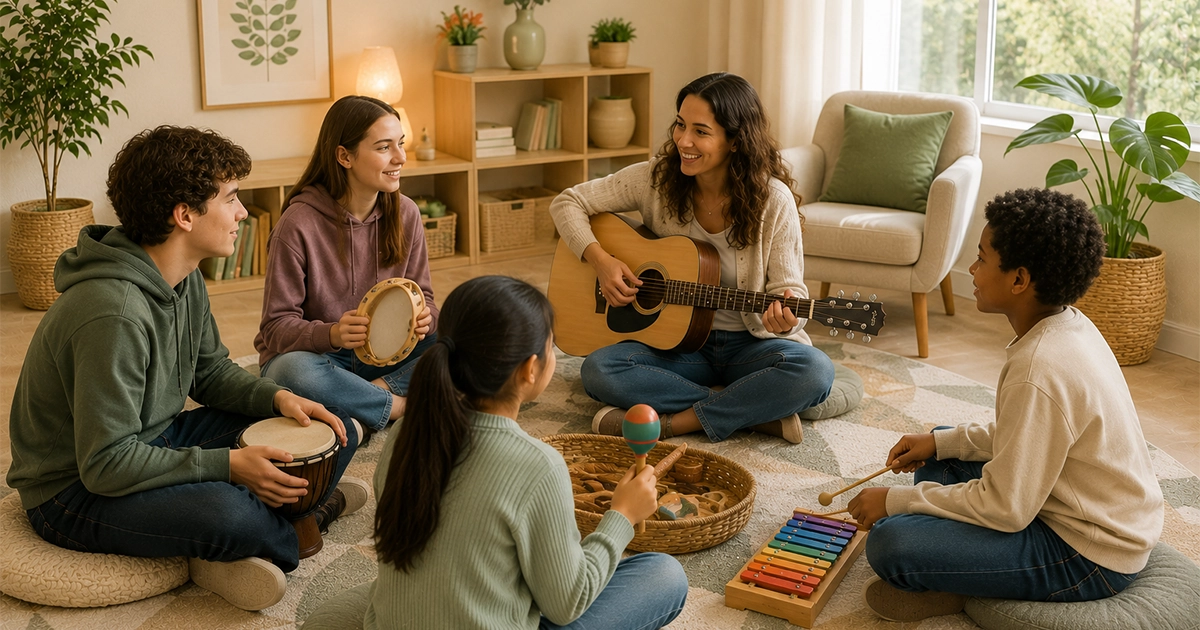
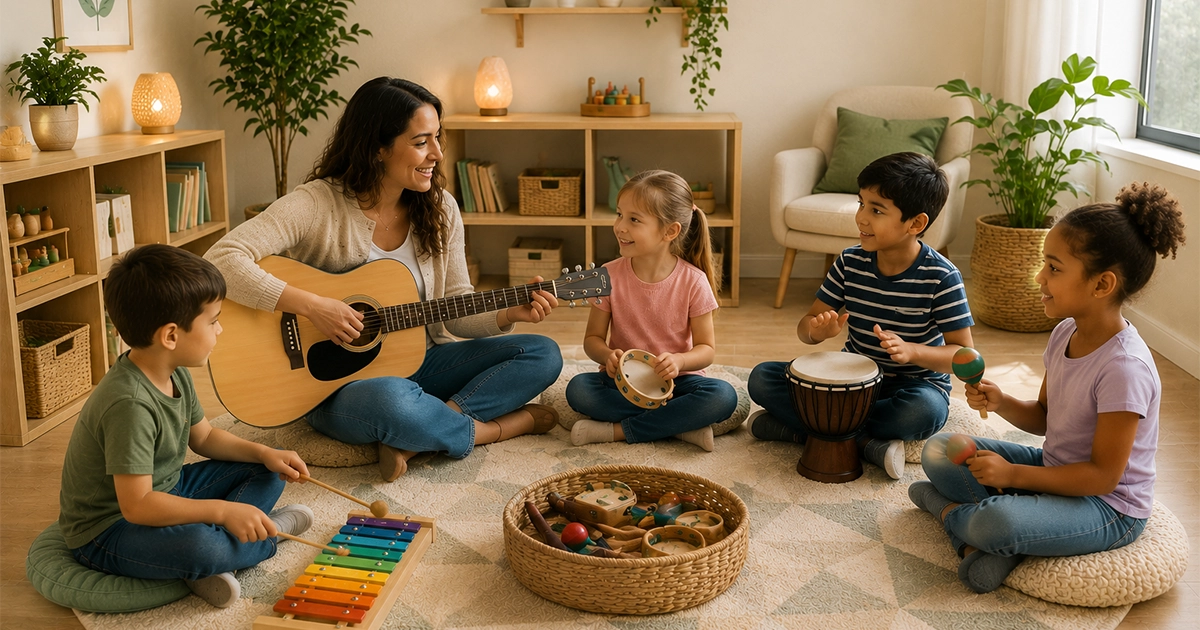
At Nurturing Wellness, children may express themselves through:
- Play-based activities
- Creative expression
- Storytelling
- Conversation
- Emotional learning exercises
- Coping skill development
For younger children, play and creative activities can provide a natural way to explore emotions.
Older children and teens may benefit from conversations, emotional skill-building, and practical strategies for managing challenges.
The first step is always creating a safe and trusting relationship.
Children are not expected to explain everything immediately. Therapy develops at a pace that feels comfortable for each child.
Child Therapy Support for Families in Mississauga
Families in Mississauga often seek support when emotional or relationship challenges become difficult to navigate at home.
At Nurturing Wellness, we support children and families by creating a compassionate environment where children can better understand themselves, communicate their needs, and develop emotional skills.
Our approach is tailored to each child and may include emotional regulation support, communication skills, coping strategies, and parent guidance.
The goal is to help children feel understood while building skills they can use at home, school, and in relationships.
Learn more about Children & Youth Therapy in Mississauga.
Meet the Child and Youth Therapy Team at Nurturing Wellness
Our child and youth therapists support children and families with compassionate, child-centred care.
Sarah Mantegazza
Sarah Mantegazza supports children and families through a caring approach focused on emotional wellbeing, communication, and personal growth.
Learn more about Sarah Mantegazza.
Omaima Rashed
Omaima Rashed supports children and youth as they navigate emotional challenges, relationships, and important life experiences.
Learn more about Omaima Rashed.
Supporting Your Child’s Relationships Starts With Understanding
Sibling conflict does not always mean something is wrong.
Disagreements can be opportunities for children to learn important skills such as communication, empathy, patience, and emotional awareness.
However, when conflict becomes overwhelming or begins affecting your child’s wellbeing, additional support may help.
At Nurturing Wellness, our team provides support for children and families navigating emotional, behavioural, and relationship challenges.
Explore: Children & Youth Therapy in Mississauga
Frequently Asked Questions
Siblings may fight because they have different personalities, emotional needs, communication styles, and perspectives. Conflict can also happen when children are learning how to share attention, manage frustration, and understand each other.
Parents may consider additional support when sibling conflict becomes frequent, intense, difficult to manage, or begins affecting a child’s confidence, emotional wellbeing, or family relationships.
Yes. Child therapy can help children develop emotional awareness, communication skills, coping strategies, and healthier ways to respond during disagreements.
No. Therapy is not only for serious concerns. It can provide children with additional support, emotional skills, and a safe space to better understand themselves and their relationships.
Parents can support healthier relationships by validating emotions, encouraging communication, avoiding comparisons, and helping children understand each other’s perspectives.
Ongoing conflict may affect how children feel about themselves and their relationships. Support can help children process emotions and develop healthier relationship skills.
Take the Next Step
If your child is struggling with sibling conflict, emotional regulation, or communication challenges, support is available.
Our team at Nurturing Wellness can help you explore ways to support your child’s emotional growth and relationships.