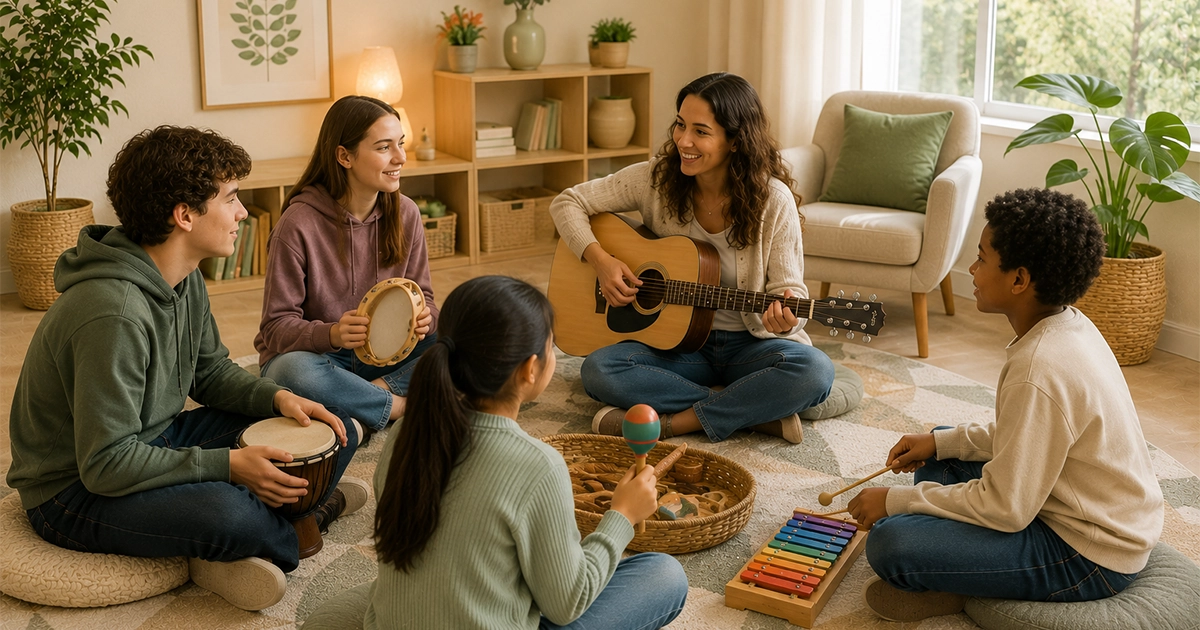
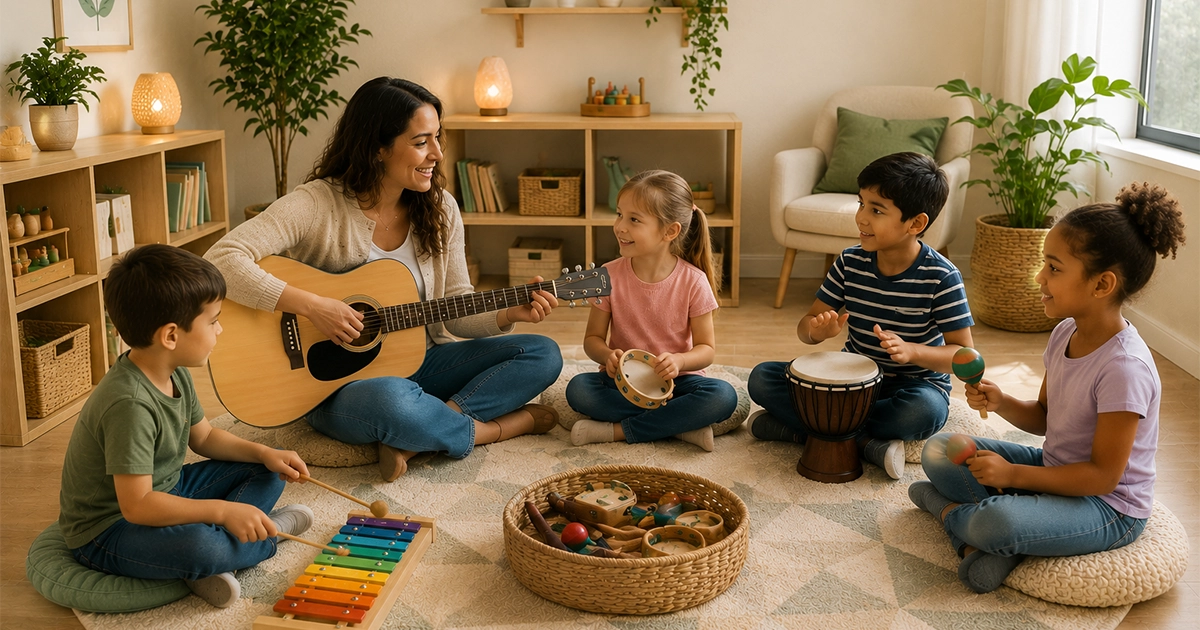
As a parent, it can be heartbreaking and frustrating to know something is wrong with your child but not understand what they are feeling. Many parents say things like, “They shut down when I ask,” or “They get upset but can’t tell me why.” This is not a parenting failure, and it is not your child being difficult. For many children and teens, emotions are experienced long before they can be clearly explained in words.
Children’s therapy at Nurturing Wellness is designed for exactly this situation. Our approach recognizes that children do not communicate emotions the way adults do. Instead of expecting children to “talk it out,” therapy provides a safe, structured environment where emotions can be expressed through play, creativity, and guided interaction. This allows children to feel understood without pressure, judgment, or fear.
Why Many Children Struggle to Put Feelings Into Words
Children experience emotions through their bodies and behaviors before language fully develops. A child may feel anxious as a tight chest, anger as restlessness, or sadness as withdrawal, without having the vocabulary to describe these experiences. This is why asking direct questions often leads to silence, frustration, or emotional outbursts.
Big emotions can also feel unsafe for children. Fear of getting in trouble, disappointing caregivers, or feeling “wrong” can stop children from opening up. When emotions feel overwhelming, a child’s nervous system may move into fight, flight, or freeze, making verbal communication even harder.
Behavior often becomes a child’s first language. Tantrums, irritability, withdrawal, or regression are not random; they are signals of unmet emotional needs. Children’s therapy helps translate these signals into understanding, giving children healthier ways to communicate what is happening inside.
How Children’s Therapy Helps When Words Aren’t Enough
Children’s therapy at Nurturing Wellness does not rely on adult-style conversation. Therapy meets children at their developmental level, using methods that feel natural and non-threatening. This allows children to express emotions safely without being put on the spot.
A key part of therapy is emotional safety. Before expression comes trust. Our therapists focus on building rapport so children feel secure enough to explore emotions at their own pace. When safety is present, children naturally begin to communicate more openly.
Over time, therapy helps children recognize patterns in their emotions, learn to name feelings, and develop emotional regulation skills. This process supports long-term emotional growth rather than quick fixes.

Play-Based Methods Used in Children’s Therapy at Nurturing Wellness
Play therapy is one of the most effective ways children communicate emotions. Through toys, games, and role-play, children express internal experiences symbolically. A child may act out fear, anger, or sadness through play long before they can say the words. Creative expression such as drawing, painting, or crafting allows children to show feelings visually. Therapists observe themes, colors, and stories that provide insight into emotional experiences the child may not yet understand themselves.
Storytelling and imaginative play help children explore difficult emotions indirectly. By talking about characters or stories, children can process real-life challenges in a way that feels safer and less personal. Emotion-identification activities are gently introduced to build emotional awareness. Visual tools, games, and interactive exercises help children learn that feelings are normal, manageable, and temporary.

What a Children’s Therapy Session Looks Like at Nurturing Wellness
- Children’s therapy sessions begin with a parent intake. This allows therapists to understand emotional concerns, behavior patterns, family dynamics, school stressors, and goals. This step ensures therapy is personalized and meaningful.
- Sessions with the child are child-led and therapist-guided. Children are never forced to talk. Therapists follow the child’s interests and comfort level, using play and observation to understand emotional needs.
- Emotional assessment happens gently through interaction rather than questioning. Therapists observe coping skills, emotional regulation, and communication styles while ensuring the child feels safe.
- Parents are supported throughout the process. Regular check-ins provide guidance, insights, and practical strategies to support emotional development at home. This collaborative approach strengthens the entire family system.
Children’s therapy sessions are available both in person and through children therapy online sessions, offering flexibility for families across Ontario.
Real Changes Parents Begin to Notice Over Time
Parents often notice that their child begins expressing needs more clearly and calmly. Instead of emotional explosions or silence, children develop healthier communication patterns.
- Emotional outbursts tend to decrease as children gain regulation skills. Children learn how to pause, identify feelings, and respond rather than react.
- Confidence and emotional awareness grow as children feel understood. When children can name emotions, they feel less overwhelmed by them.
- Many families report a stronger parent-child connection. Understanding replaces frustration, and communication becomes more supportive and respectful.

Why Nurturing Wellness Is the Right Choice for Children’s Therapy
Nurturing Wellness provides children therapy in Mississauga led by therapists trained in child development, play therapy, and trauma-informed care. Our team understands how emotional challenges show up differently in children and teens.
- We offer a safe, inclusive, and non-judgmental environment where every child feels respected. Cultural sensitivity and family values are always considered.
- Our whole-family approach ensures parents are supported, not blamed. Therapy focuses on collaboration, guidance, and long-term emotional health.
- We provide children therapy in Mississauga, children therapy in Ontario, and secure online options for families searching for children therapy near me.
- Families choose us because we focus on lasting emotional skills, not surface-level behavior management.
Conclusion
Children’s therapy may be helpful when emotional outbursts become frequent, when a child withdraws or becomes unusually quiet, when anxiety or fear increases, or when school and social challenges appear. Difficulty expressing feelings is often an early sign that support could help. Early intervention matters. Addressing emotional communication early helps prevent patterns from becoming deeply rooted, supporting healthier emotional development into adolescence and adulthood.
Seeking children’s therapy is a powerful act of care. You are not giving up control; you are giving your child tools for emotional health that last a lifetime.
Book your child’s therapy consultation at Nurturing Wellness today and help your child feel understood, supported, and emotionally safe. Our team makes it easy to get started with children therapy sessions designed around your child’s unique needs.